If you’ve been looking into heat pumps, you’ve probably seen them described as a low-carbon or eco-friendly way to heat your home.
But is that actually true?
The short answer is yes, in most cases a well-designed and efficiently operated heat pump can have a much lower carbon footprint than a traditional gas or oil boiler.
How is a heat pump different from a boiler?
A gas boiler creates heat by burning fuel.
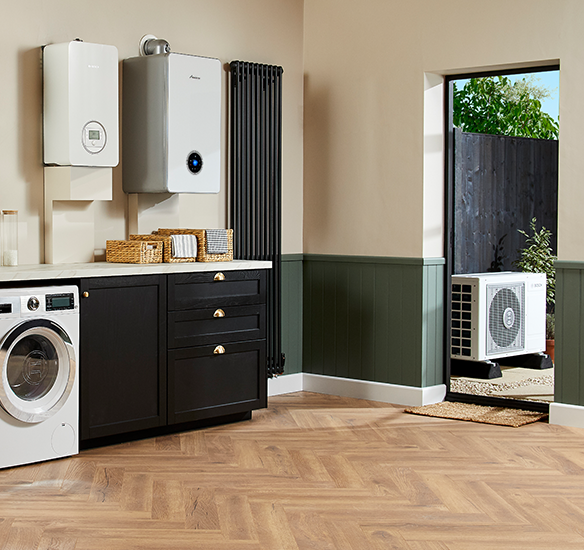
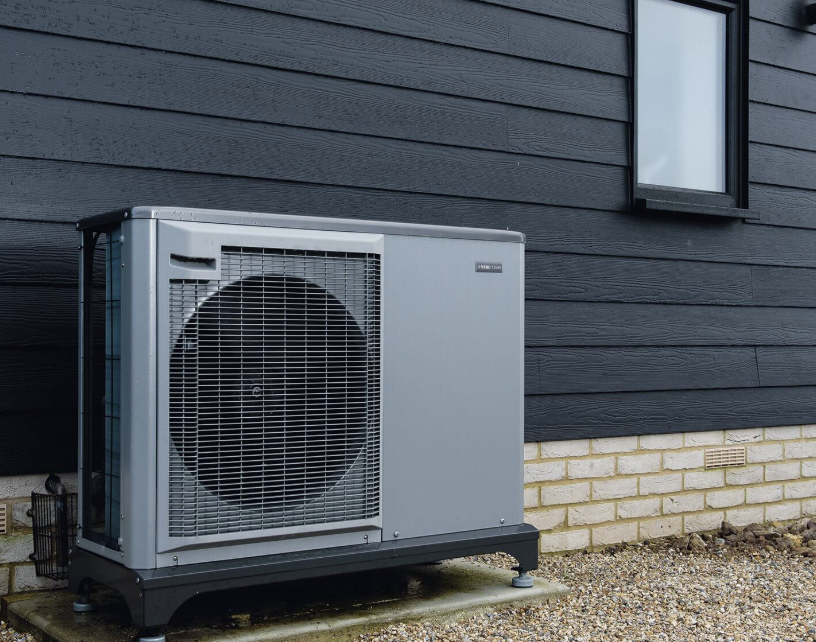
A heat pump works differently. It uses electricity to move heat that already exists in the air or ground into your home.
An air source heat pump takes heat from the outside air and uses a refrigeration cycle to increase its temperature before transferring that heat into your heating system.
So while a heat pump does use electricity, it isn’t using one unit of electricity to create one unit of heat in the same way as a direct electric heater.
Instead, it can deliver several units of heat for each unit of electricity it consumes.
This is where COP (coefficient of performance) comes in.
For example, if a heat pump is operating at a COP of 3, it is delivering around 3kW of heat for every 1kW of electricity being used under those particular operating conditions.
That’s a big part of why heat pumps can use significantly less energy than conventional heating systems.
But isn’t electricity still producing carbon?
A heat pump doesn’t produce zero emissions simply because it runs on electricity. The electricity used to power it has to come from somewhere.
However, the carbon intensity of electricity is different from burning gas or oil directly in your home, and the UK electricity grid is becoming increasingly low carbon.
That means the carbon footprint of an electrically powered heat pump can reduce further as the electricity supply becomes cleaner.
The UK Government’s figures show that heat pumps can reduce carbon emissions by up to around 70% compared with a gas boiler, with the potential for further reductions as the electricity grid decarbonises.
So a heat pump isn’t just about what it does today.
It’s also about moving away from heating our homes directly with fossil fuels.
What does efficiency have to do with being eco-friendly?
This is where things get a little more technical.
A heat pump’s efficiency isn’t fixed.
The amount of electricity it needs depends on things such as:
- Outside temperature
- Flow temperature
- The heating system
- Property heat loss
- Controls
- Weather compensation
- Hot water demand
- System design
- How the heat pump has been commissioned and set up
One of the biggest factors is flow temperature.
A heat pump generally works more efficiently when it can heat your home using a lower flow temperature.
For example, rather than producing very hot water and switching off like a traditional boiler, a heat pump is designed to provide heat at a lower temperature and often run for longer periods.
The lower the temperature lift between the heat source and the heating system, the easier it is for the heat pump to operate efficiently. Our heat pump settings guide breaks it all down and helps you understand which settings could work best for your home.
Does insulation matter?
Yes, but having a heat pump doesn’t mean your house has to be perfect.
Every property loses heat.
The better the thermal performance of the building, the less heat the heating system needs to replace.
Improving insulation and reducing unnecessary heat loss can therefore reduce the overall heating demand of the property.
That can make it easier for a heat pump to heat the home efficiently.
Things such as loft insulation, cavity wall insulation, draught reduction and suitable glazing can all form part of the bigger picture.
The important thing is to look at the property as a whole rather than assuming the heat pump itself is the only factor.
What about solar panels?
This is another reason people pair heat pumps with renewable technology.
A heat pump needs electricity, so generating some of that electricity yourself through solar PV can reduce the amount of electricity you need to take from the grid.
Solar generation and heat pump demand don’t always perfectly line up, your heat pump may need the most energy when solar production is lower, but smart controls, hot water heating and battery storage can all help make better use of generated electricity.
It’s not a requirement for having a heat pump, but it can be a useful combination for homeowners looking to reduce their reliance on grid electricity.
Does a heat pump need to be serviced?
If you’re thinking about environmental impact, it’s easy to focus on the installation and forget what happens afterwards.
A heat pump is still a mechanical system with components that need to operate correctly.
Keeping the system maintained can help identify issues that could affect its operation, such as restricted water flow, dirty components, problems with sensors or other faults.
It also gives an engineer the opportunity to check how the system is operating rather than simply assuming everything is fine because the heating is still working.
And that’s important because an inefficient heat pump isn’t making the most of the electricity it’s using.
A well-maintained system, combined with appropriate controls and settings, can help the heat pump continue operating as intended.
So, are heat pumps really better for the environment?
For most homes replacing fossil-fuel heating, yes. Heat pumps can significantly reduce carbon emissions and energy use.
Their environmental benefit comes from a combination of factors:
- They transfer heat rather than creating it through combustion.
- They can produce several units of heat from each unit of electricity.
- They don’t burn gas or oil at the point of use.
- The electricity grid is becoming progressively lower carbon.
- Their efficiency can be improved through good system design, appropriate flow temperatures and effective controls.
And as the electricity grid continues to decarbonise, the carbon benefit of electric heating can increase further.
So if you’re considering a heat pump, it’s worth looking beyond the unit itself.
The way the system is designed, installed, commissioned, controlled and maintained all matters.
Need your heat pump serviced?
Choose a one-off heat pump service or join our Annual Heat Pump Service Plan and we’ll take care of it each year.