If your home has both an air source heat pump and a traditional boiler, you might be wondering how the two systems work together and whether there’s anything different you need to know about looking after them.
Hybrid heating systems combine two different heat sources to help keep your home warm and provide hot water. They can offer flexibility for certain properties, but understanding how your particular system operates is important if you want it to run as it should.
In this guide, we explain what a hybrid heat pump is, how it works, the benefits and things to consider, and what homeowners need to know about maintenance.
What is a hybrid heat pump?
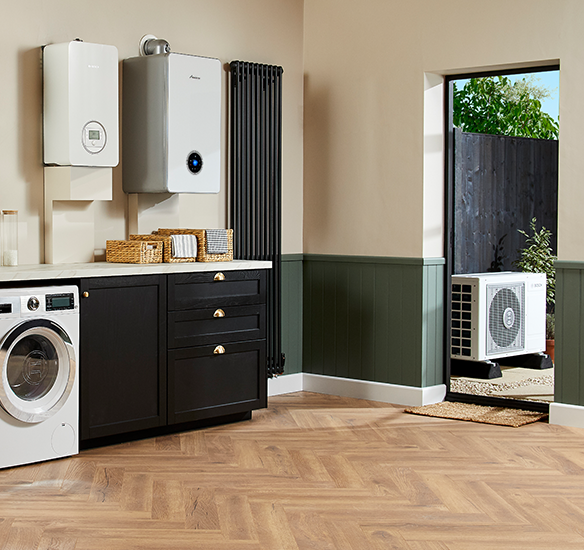
A hybrid heat pump system combines an air source heat pump with a traditional boiler, usually powered by gas or oil.
Rather than relying on just one source of heat, the system uses both technologies to meet your home’s heating needs.
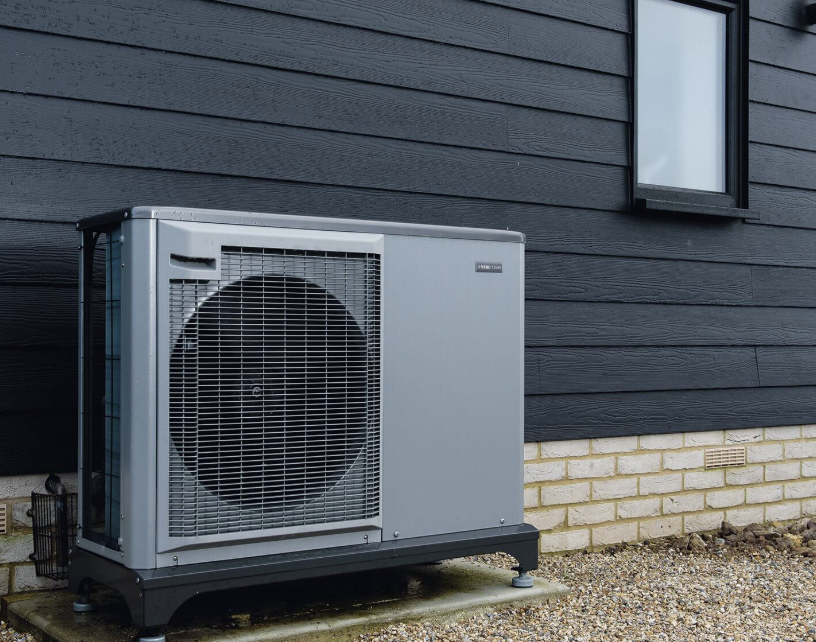
The heat pump takes energy from the air outside and uses electricity to transfer that heat into your home. The boiler provides a second source of heat, which can support the system when needed.
Exactly how the two work together depends on the system’s design. In some homes, the heat pump handles most of the central heating while the boiler provides backup. In others, the boiler may also contribute to heating or provide the domestic hot water.
How does a hybrid heating system work?
The idea is to use the most suitable heat source for the job, rather than expecting one appliance to do everything.
Depending on the controls and configuration, a hybrid system may switch between the heat pump and boiler, or use them together.
For example:
- During milder weather: The heat pump may provide most or all of the heating.
- When more heat is needed: The boiler may help meet the property’s heating demand.
- For hot water: The heat pump, boiler or a combination of the two may be responsible, depending on how the system has been set up.
Some systems use controls that take outdoor temperatures, heating demand and energy costs into account when deciding which heat source to use.
It’s worth remembering that not every hybrid system works in exactly the same way. If you’re unsure which appliance is doing what in your home, your system documentation or a suitably qualified engineer can help clarify this.
What are the benefits of a hybrid heat pump?
For some households, combining a heat pump with a boiler can offer a useful balance between different heating technologies.
1. More flexibility
A hybrid system has two heat sources available, which can be useful for properties with higher heating demands or where a standalone heat pump may not be the most suitable option without further changes to the home.
2. Reduced reliance on the boiler
When the heat pump provides a larger share of your heating, the boiler may need to run less often than it would in a boiler-only home.
The actual reduction depends on how the system is configured and operated.
3. An alternative for certain properties
Some homes have particular heating requirements that make a hybrid arrangement worth considering. However, it isn’t automatically the best option for every property, and a properly designed standalone heat pump can also be suitable for many homes.
The right choice depends on factors such as the property’s heat demand, existing heating system and expected running costs.
Are hybrid heat pumps cheaper to run?
This is one of the biggest questions homeowners have, but there isn’t a single answer.
Running costs depend on how much heating each appliance provides, the efficiency of the heat pump, the boiler’s efficiency and the prices you pay for electricity and gas or oil.
A heat pump can deliver more heat energy than the electrical energy it consumes. However, electricity and gas have different unit prices, so the amount of heat produced doesn’t tell you the whole story about running costs.
If a hybrid system is designed to take energy prices into account, its controls may be able to choose between the heat pump and boiler based on which is more economical at a given time.
That doesn’t mean every hybrid system automatically chooses the cheapest option, though. Some use predetermined settings or switching temperatures instead.
If you’re concerned about your bills, it’s worth checking how your system has been configured and whether it’s operating as intended, rather than assuming the heat pump or boiler should always be running.
What should you know about maintaining a hybrid heat pump?
Because a hybrid system contains two heating appliances, it’s important to understand what maintenance each one needs.
The heat pump
Your air source heat pump needs regular servicing to help keep it operating safely and reliably. A service can include checks of the outdoor unit, airflow, visible pipework, electrical components and the general condition of the system, alongside any checks specific to the make and model.
An engineer can also look for signs of wear or potential issues that may need further investigation.
The boiler
The boiler has its own servicing requirements and should be checked by a suitably qualified Gas Safe registered engineer if it’s a gas appliance. Oil boilers require an appropriately qualified oil heating engineer.
A heat pump service shouldn’t be treated as a replacement for a boiler service, as each appliance has its own components and safety checks. With Mutha Cuva’s hybrid service plan, our engineers can service both the heat pump and boiler as part of the plan, helping you keep on top of maintenance for both parts of your heating system.
The system as a whole
It’s also important to consider how the two appliances work together. If your heating isn’t performing as expected, the issue could relate to one appliance, the controls or the way the system operates as a whole.
If you notice unusual behaviour, recurring faults or a change in heating performance, getting the issue investigated early can help identify what needs attention.
Common signs your hybrid system needs checking
Not every change in operation means something is wrong, but there are a few things worth paying attention to.
Look out for:
- Heating that isn’t keeping your home comfortable despite the system running.
- Repeated fault codes or warning lights on the heat pump or boiler.
- Unusual noises or visible leaks around either appliance.
- A sudden change in how often the boiler runs, particularly if it seems different from its usual pattern.
- Unexpected changes in energy use that can’t easily be explained by colder weather or changes in how you use your heating.
If you notice any of these, make a note of what the system is doing and any error codes displayed. Avoid opening appliances or attempting repairs yourself.
Depending on the symptoms, you may need a heat pump engineer, a boiler engineer or someone qualified to investigate the wider system controls.
Do hybrid heat pumps still need annual servicing?
Yes. The heat pump and boiler each need maintenance appropriate to the appliance and the manufacturer’s recommendations.
Regular servicing gives an engineer the opportunity to check the condition of the equipment, identify potential issues and assess whether anything needs further attention.
It’s also a good opportunity to raise any concerns you’ve noticed, such as inconsistent heating, unusual noises or changes in performance.
Keeping on top of maintenance won’t prevent every fault, but it can help you look after your equipment and understand its condition.
Need your heat pump serviced?
Choose a one-off heat pump service or join our Annual Heat Pump Service Plan and we’ll take care of it each year.