Buying a house is stressful enough without discovering there’s a heat pump sitting outside.
If you’ve never used one before, you might be wondering how much it costs to run, whether it’ll keep your home warm, if your radiators are big enough and what happens when the temperature drops.
The good news is that having a heat pump doesn’t automatically mean you’ve bought yourself a problem. But heat pumps work differently from traditional gas boilers. There are a few things worth checking when you move in, and you don’t need to be a heat pump expert to understand the basics.
Here’s where we’d start
1. First things first: find out what heat pump you’ve actually got
Before changing any settings, find out the basics.
The first thing to do is find out what system you’ve got.
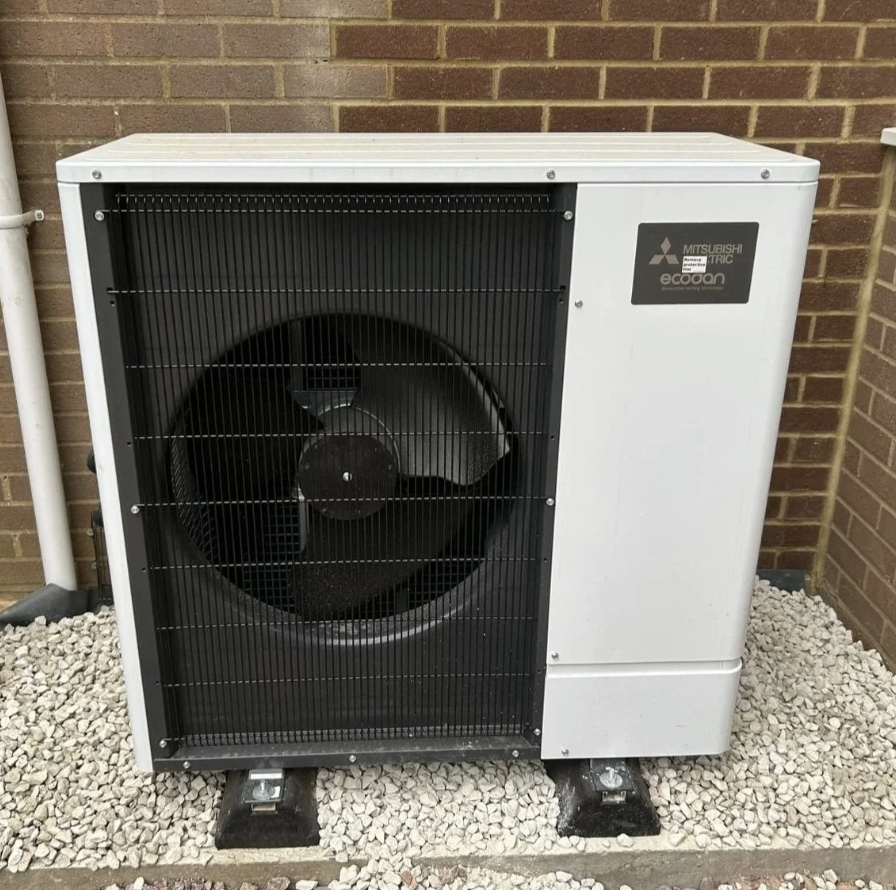
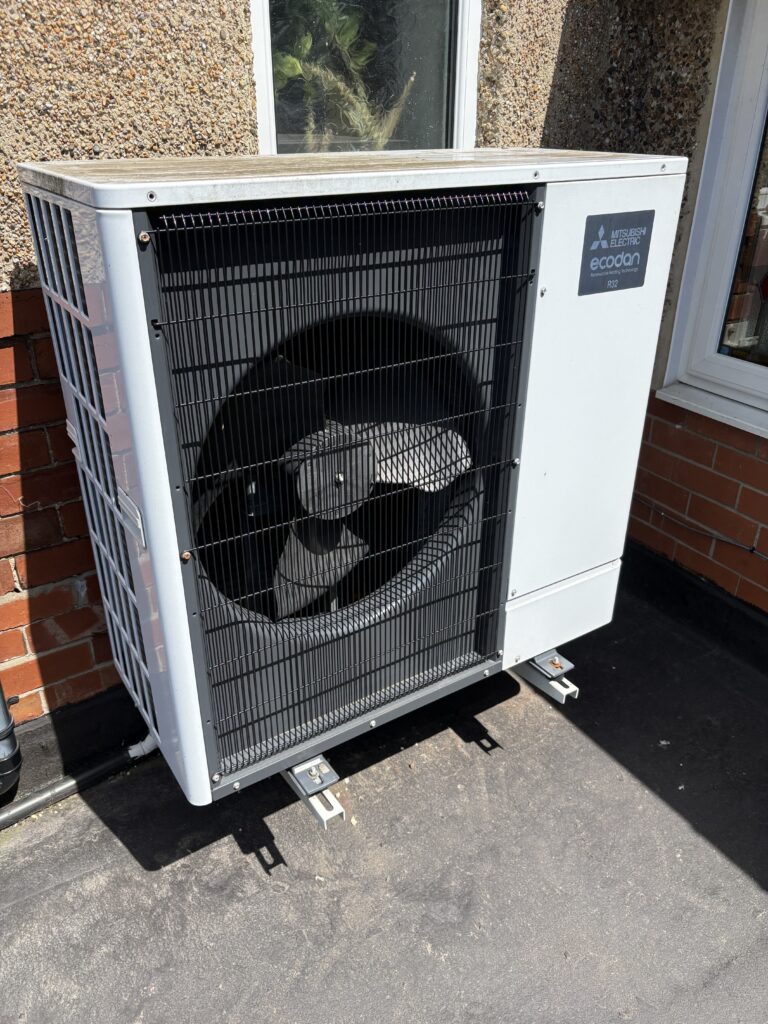
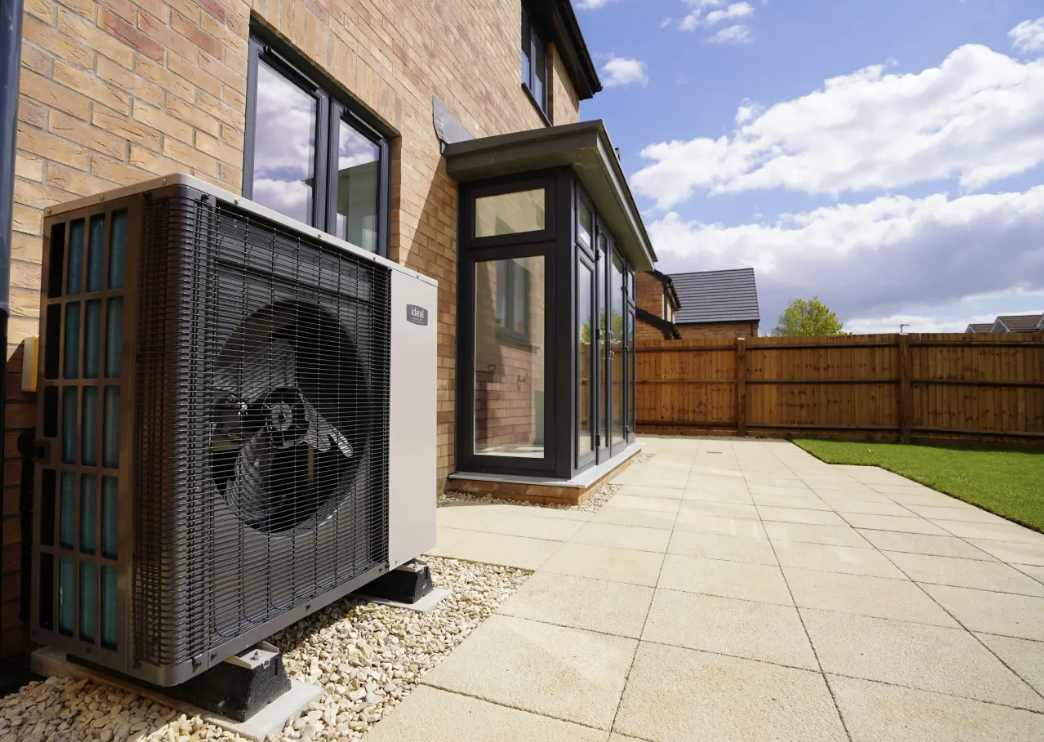
Most homes will have an air source heat pump, with an outdoor unit that takes heat from the air and transfers it into your home.
Find the make and model and see if you can find the manual or any paperwork from the installation.
It’s also worth finding out how old the system is and who installed it.
If the previous owner has left you the installation documents, keep hold of them. They can contain useful information about how the system was designed and what settings it was originally installed with.
If you can’t find much information, don’t worry. We can still work with the system you have and help you understand how it’s operating.
2. Find out when it was last serviced
If you’ve just moved into a house with a heat pump, you probably don’t know how well it has been looked after.
Ask the previous owner or estate agent when it was last serviced and whether there is any service history.
A heat pump is no different from other heating equipment in that regular checks can help identify problems before they become bigger issues.
If you don’t know when it was last serviced, getting it checked after moving in is a sensible place to start. This gives you a clear starting point for looking after your new heating system.
3. Check how warm your home gets
Once you’ve moved in, give yourself some time to see how the heating performs.
Does every room get to a comfortable temperature?
Are there rooms that always feel colder than others?
Does the house take a long time to warm up?
These are all useful things to notice.
A heat pump is designed to heat your home steadily, so if you’re regularly struggling to reach your desired temperature, it’s worth finding out why.
It could be something as simple as the settings. Read our settings guide here for some useful tips.
But it could also be related to the radiators, heat loss, controls or how the system has been designed. Make a note of any problems you experience.
4. Check your flow temperature
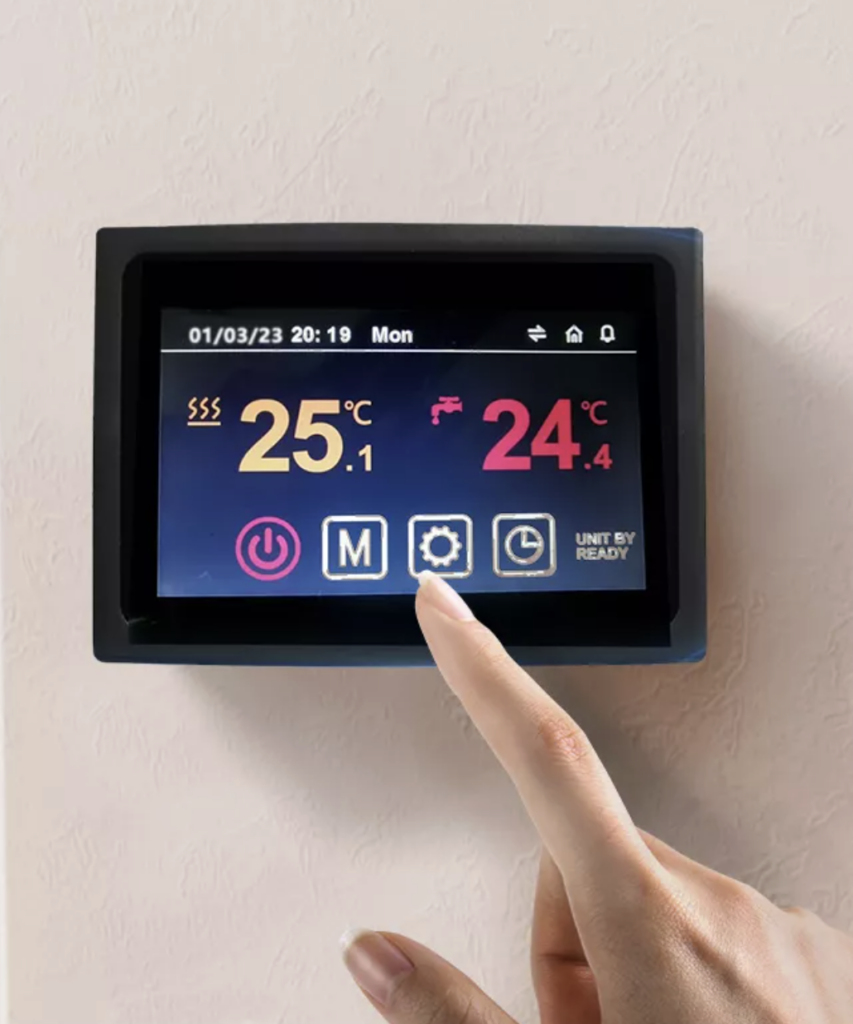
The flow temperature is the temperature of the water your heat pump sends around your heating system.
This is an important setting because heat pumps generally operate more efficiently at lower flow temperatures.
The aim is to use the lowest flow temperature that can still heat your home comfortably.
Your radiators may feel warm rather than extremely hot, and that’s completely normal.
If your home is reaching and maintaining a comfortable temperature, there’s no need to increase the flow temperature just because the radiators don’t feel as hot as they did with your old boiler.
However, if your home isn’t getting warm enough, don’t keep increasing the temperature without understanding why.
If you’re regularly needing a high flow temperature to keep the house comfortable, we’d recommend getting the system checked.
5. Check the radiators
The radiators in a heat pump home can look a little different from what you’re used to.
You may have larger radiators, additional radiators or radiators that are designed to work at lower temperatures.
This is because the heat pump doesn’t normally produce the same high water temperatures as a gas boiler.
What matters is whether the radiators can provide enough heat for the rooms they’re in.
The design of the heating system should take the heat loss of the property into account, along with the required radiator output.
If one room is consistently colder than the others, it doesn’t necessarily mean the heat pump itself is the problem.
The radiator size, room heat loss, balancing or controls could all be contributing.
6. See if weather compensation is being used
Weather compensation allows your heat pump to adjust the heating water temperature depending on the temperature outside.
When it’s milder, the system can operate at a lower flow temperature.
When it gets colder, the flow temperature can increase to provide more heat.
This means you shouldn’t need to constantly adjust the heating yourself as the weather changes.
If your system has weather compensation but you’re finding that the house is regularly too cold on colder days or too warm when the weather gets milder, the settings may need some adjustment.
We recommends using weather compensation to help keep flow temperatures as low as practical and allow the system to respond to outdoor conditions.
If you’re not sure whether yours is set up correctly, this is something we can check as part of a heat pump service.
7. Don’t change every setting at once
When you move into a new house, it’s tempting to change everything to suit your routine straight away.
With a heat pump, it’s better to make changes gradually.
If you change the flow temperature, heating schedule, weather compensation and hot water settings all at the same time, you won’t know which change has made a difference.
Make one adjustment and give your system time to respond.
Heat pumps work differently from boilers and can take longer to change the temperature of your home.
Small changes over several days can tell you much more than constantly adjusting the controls.
8. Check the outdoor unit
The outdoor unit is probably the part of your heat pump you’ll notice first, but it’s easy to forget about once you’re used to seeing it outside.
It’s worth checking that the area around it is clear and that nothing is blocking the airflow. Leaves, plants, bins and garden furniture can all end up getting a little too close to the unit, particularly if you’ve recently moved in and haven’t had a chance to check what the previous owner was doing.
Your heat pump needs a good supply of air to operate properly, so keeping the area around the unit clear is important.
Need your heat pump serviced?
Choose a one-off heat pump service or join our Annual Heat Pump Service Plan and we’ll take care of it each year.