Last updated: July 2026
Written by Mutha Cuva, air source heat pump servicing specialists.
If you’re thinking about getting an air source heat pump installed, the Boiler Upgrade Scheme is usually one of the first things worth checking.
In simple terms, it’s a government grant that helps reduce the upfront cost of installing an air-to-water air source heat pump. For eligible homes and small businesses in England and Wales, the standard grant is £7,500 towards an air source heat pump.
From 21 July 2026, some off-gas-grid properties replacing oil or LPG heating may qualify for a higher £9,000 grant.
Energy Saving Trust also explains that this temporary higher grant is expected to run from 21 July 2026 to 31 March 2027.
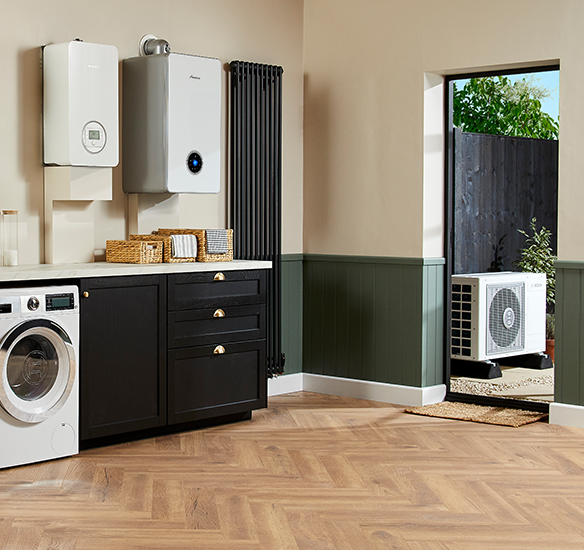
That higher amount makes sense from what we see on the ground. Oil and LPG homes can be more expensive and awkward to convert because the system design matters so much. You’re often dealing with older pipework, different radiator sizes, cylinder changes, controls that need upgrading, and homes that were never really set up with low-flow-temperature heating in mind.
Is an air source heat pump a straight swap for a boiler?
Not really.
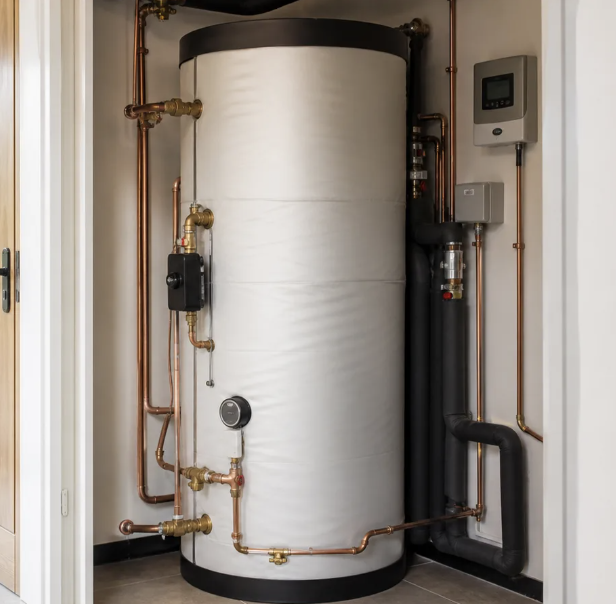
A good heat pump installation is not just a case of taking out a boiler and putting a heat pump in its place. The installer needs to look properly at the home, how much heat it loses, what radiators are already there, what hot water cylinder is needed, where the outdoor unit can go, what controls are being used, and how the customer actually lives with their heating.
That last bit matters more than people think.
A heat pump will work brilliantly when the system is designed carefully around the property. If the system is rushed, undersized, badly set up, not well serviced and maintained afterwards, or installed without thinking about the way the home is actually used, the customer is far more likely to end up frustrated later.
Who applies for the Boiler Upgrade Scheme grant?
You do not apply for the Boiler Upgrade Scheme grant yourself.
Your installer applies on your behalf, through Ofgem, and takes the grant amount off the upfront cost, so you pay the reduced price. GOV.UK explains the installer applies on your behalf and the value of the grant is taken off the amount you pay for the installation.
To qualify, the installation must be carried out by an MCS-certified installer. MCS is not just a badge on a website. It means the installer has to work to recognised standards for the design and installation of the system.
Do you still need insulation to get the Boiler Upgrade Scheme?
One thing that has changed is the insulation rule.
You no longer need to have every EPC insulation recommendation completed before qualifying for the Boiler Upgrade Scheme. That said, insulation still matters in the real world.
A poorly insulated home can make any heating system work harder. With heat pumps, the more efficient the home is, the better the system usually performs. So even if insulation is not a strict grant requirement, a good installer may still talk to you about improvements if they will help the heat pump run more efficiently, keep your home warmer and save money on your heating bills.
Does the Boiler Upgrade Scheme cover heat pump servicing?
No. The Boiler Upgrade Scheme helps with the upfront cost of installing an eligible air source heat pump. It does not cover annual servicing, maintenance, repairs, or aftercare once the system is fitted.
Once the heat pump is fitted, servicing and aftercare are still down to the homeowner or landlord, including how much heat pump servicing costs each year.
And this is the bit people often forget when they’re thinking about swapping their boiler for a heat pump.
The installation is only the start.
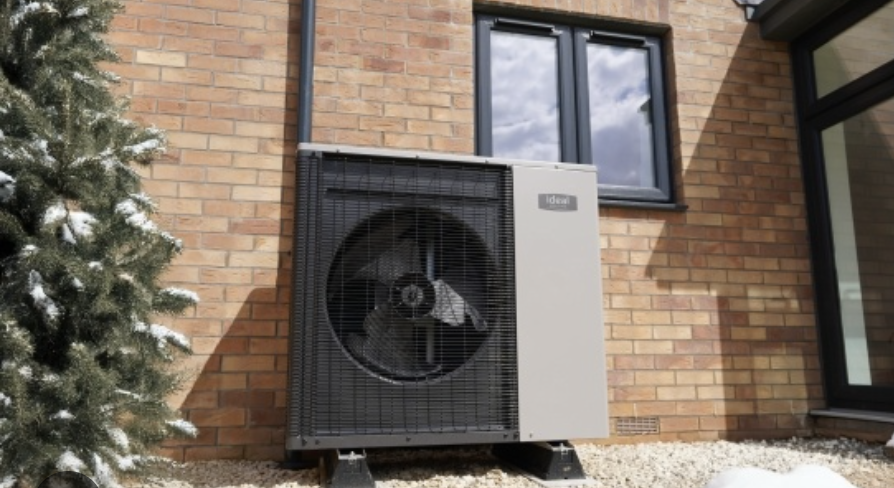
An air source heat pump sits outside all year round. It is dealing with rain, frost, leaves, dirt, blocked drains, changing pressure, filters, valves, sensors, electrics, software settings and general wear over time. It is constantly pulling air through the outdoor coil, so it is not something you install, forget about, and hope for the best for the next ten years.
A proper annual heat pump service should be much more than a quick glance at the outdoor unit. It should include checks on the system pressure, filters, electrical connections, flow rates, glycol levels where relevant, condensate drainage, controls, cylinder components, safety devices, and the condition of the outdoor coil and fan.
A lot of the problems we see start small. Blocked filters. Poor flow. Low pressure. Leaves and debris around the outdoor unit. Settings that are not quite right.
None of these sound dramatic on their own, but left alone, they can make the system work harder than it needs to. That can mean higher running costs, more strain on the heat pump, and a greater chance of a breakdown later.
So yes, the Boiler Upgrade Scheme can help with the upfront cost of getting an air source heat pump installed. But the long-term running cost, reliability and comfort of the system usually come down to three things: good design, good installation, and proper servicing afterwards.
Think about heat pump aftercare before you install
It is worth thinking about servicing and aftercare before you choose your installer, not after something has gone wrong.
Many companies are focused on selling and installing the heat pump, because that is where the big upfront job is. But once the system is in, you still need someone who understands servicing, fault finding, maintenance, and what a well-running heat pump should actually look like in the real world.
That is why it is worth understanding what a proper heat pump service includes and how much heat pump servicing should cost before your system is fitted.
Regular servicing helps keep your heat pump running efficiently, protects manufacturer warranties, and gives you a much better chance of catching small issues before they turn into expensive problems.
Planning an air source heat pump installation?
The Boiler Upgrade Scheme can help with the upfront cost, but once your heat pump is fitted, looking after it properly is down to you.
At Mutha Cuva, we specialise in air source heat pump servicing and annual heat pump service plans, so when your new system is installed, you know who can help keep it running properly year after year.
And if you are still choosing an installer, we can also point you towards respected local MCS-certified installers who understand how important good design, good installation and proper aftercare really are.
Boiler Upgrade Scheme and heat pump servicing FAQs
Does the Boiler Upgrade Scheme cover heat pump servicing?
No. The Boiler Upgrade Scheme helps with the upfront cost of installing an eligible air source heat pump. It does not cover annual servicing, maintenance, repairs or aftercare once the heat pump is fitted.
Do air source heat pumps need servicing every year?
Yes, in most cases an air source heat pump should be serviced every year. Annual servicing helps check the system is running properly, keeps an eye on wear and tear, and can help protect the manufacturer warranty.
Who services an air source heat pump after it is installed?
You can usually go back to the original installer, but you do not always have to. What matters is choosing someone who understands air source heat pump servicing, not just installation. Servicing is about checking how the system is actually performing once it is living outside in real weather, in a real home, with real usage.
Why should I think about servicing before my heat pump is installed?
Because aftercare can make a big difference to how happy you are with the system long term. Before choosing an installer, it is worth asking who will service the heat pump, how easy it is to get support, what happens if there is a fault, and whether you can set up an annual service plan.
Can Mutha Cuva help if I have not chosen an installer yet?
Yes.
If you are still at the installation stage, we can point you towards respected local MCS-certified installers.
Then, once your air source heat pump is installed, Mutha Cuva can help with servicing and annual service plans.
Get in touch today with any heat pump related questiosn, we’d love to hear from you.